Logging runs on steel. From delimber knives and feed rollers to harvester bar noses and sprockets, the life of a logging machine is measured in how well its critical parts resist abrasion, impact, and fatigue. Good design matters, but metallurgy and heat treatment often decide whether a part survives a full season or dies in a week. I have watched identical-looking components live radically different lives because one batch was straightened and tempered properly, and the other skipped a soak or quenched too cold. The details of heat treatment and wear protection make the difference between steady uptime and a yard full of broken teeth.
This piece takes a practical look at materials and processes that extend service life for logging equipment. It is grounded in the way real machines fail in mud, grit, frozen bark, and surprise rocks. The focus is not academic theory, but choices you can make with a metal fabrication shop or cnc machine shop to get predictable, repeatable performance from parts that see daily abuse.
Where logging parts fail and why that matters for heat treatment
Chainsaws and harvester heads fight abrasive fines, sand-laden bark, and shock from knots and embedded metal. Feed rollers and debarker tips wrestle constant crushing and sliding wear in both wet and dry cycles. Undercarriage parts face impact and three-body abrasion as gravel and bark get trapped between moving steel. The common failure modes include micro-chipping at edges, galling on mating surfaces, spalling on case-hardened components, and fatigue cracks that grow from stress risers near weld toes or hard zones.
The pattern of failure drives heat treat strategy. Abrasion wants hardness, but not so high that edges chip away. Impact wants toughness, which usually means a tempered martensitic matrix with carbides controlled in size and distribution. Add cyclic loads, and you need tempered stability so hardness holds after repeated heat spikes. That is why the target is never “hardest possible,” it is a window: enough hardness to resist wear, enough toughness to survive impact, and enough stability to keep those properties through temperature swings, often from below freezing to a friction-heated edge in seconds.
Material families that earn their keep in the woods
You can do a surprising amount with classic grades if your heat treat shop understands the work. Still, certain alloys keep showing up for a reason.
High wear edges and cutters. For delimber knives, debarker tips, slasher knives, and flail hammers, choices range from through-hardened tool steels like A2 and D2 to high-boron abrasion-resistant steels and air-hardening shock steels. D2 gives standout wear due to high chromium carbides, but it chips in impact. A2 walks the middle ground well if tempered correctly, delivering solid wear and better toughness. Some Canadian manufacturer catalogs for logging equipment include boron steels like 30MnB5 or 38MnB5, heat treated to the mid-50s HRC then double tempered, which play nicely for edge-holding without the brittle surprise.
Feed rollers and traction elements. Nitriding steels and pre-hardened alloys such as 4140/4340 can be selectively hardened. Through-hardening a roller core invites crack propagation from tooth roots, so surface treatments that harden the bite while leaving a tough core hit the sweet spot. Gas or ion nitriding creates a hard diffusion zone that handles sliding wear without introducing a brittle case boundary. For welded-on replaceable teeth, a medium alloy base with a hardfaced cap lets you renew the bite without scrapping the core.
Sprockets, shafts, and pivot pins. For parts that see both bearing loads and abrasive contamination, low alloy steels like 4140 and 4340 earn trust. Case hardening for sprocket teeth, with induction hardening at tooth flanks, provides compressive stress where it matters and lets the body stay tough. For pins and bushings, a nitrided or induction-hardened skin rides out the grit while the core absorbs shock.
Hydraulic cylinder rods and guides. Chrome-plated rods are standard, but the substrate matters. A quenched and tempered 1045 works in light grit, while a 4140 Q&T, then induction hardened before chrome, resists brinelling. In northern winters, tempering slightly lower and stress relieving after plating reduces the chance of microcracks propagating under shock.
Chain-related components. Drive sprockets, guide bars, nose wheels, and tensioner parts respond well to dual-zone strategies: hard surfaces for wear, tough cores for impact. Induction hardening of tooth profiles, combined with tempering to the low 50s HRC, is common because field experience shows a dramatic drop in tooth peening and hook formation.
Heat treatment decisions that move the needle
The main lever is not a secret alloy, it is process control and an honest look at how the part works. The same print in two different manufacturing shops can yield opposite results if the heat treat window is vague.
Through hardening, then tempering. For cutters that need uniform properties, through hardening to a martensitic structure and tempering to the target hardness works well. The trap is assuming a single temper fits all. For D2 at 58 HRC, double tempering with adequate soak times reduces retained austenite and stabilizes the microstructure so the edge does not soften in a hot cut. For A2, a cryogenic step between tempers often helps push retained austenite down, tightening dimensional stability and improving wear consistency.
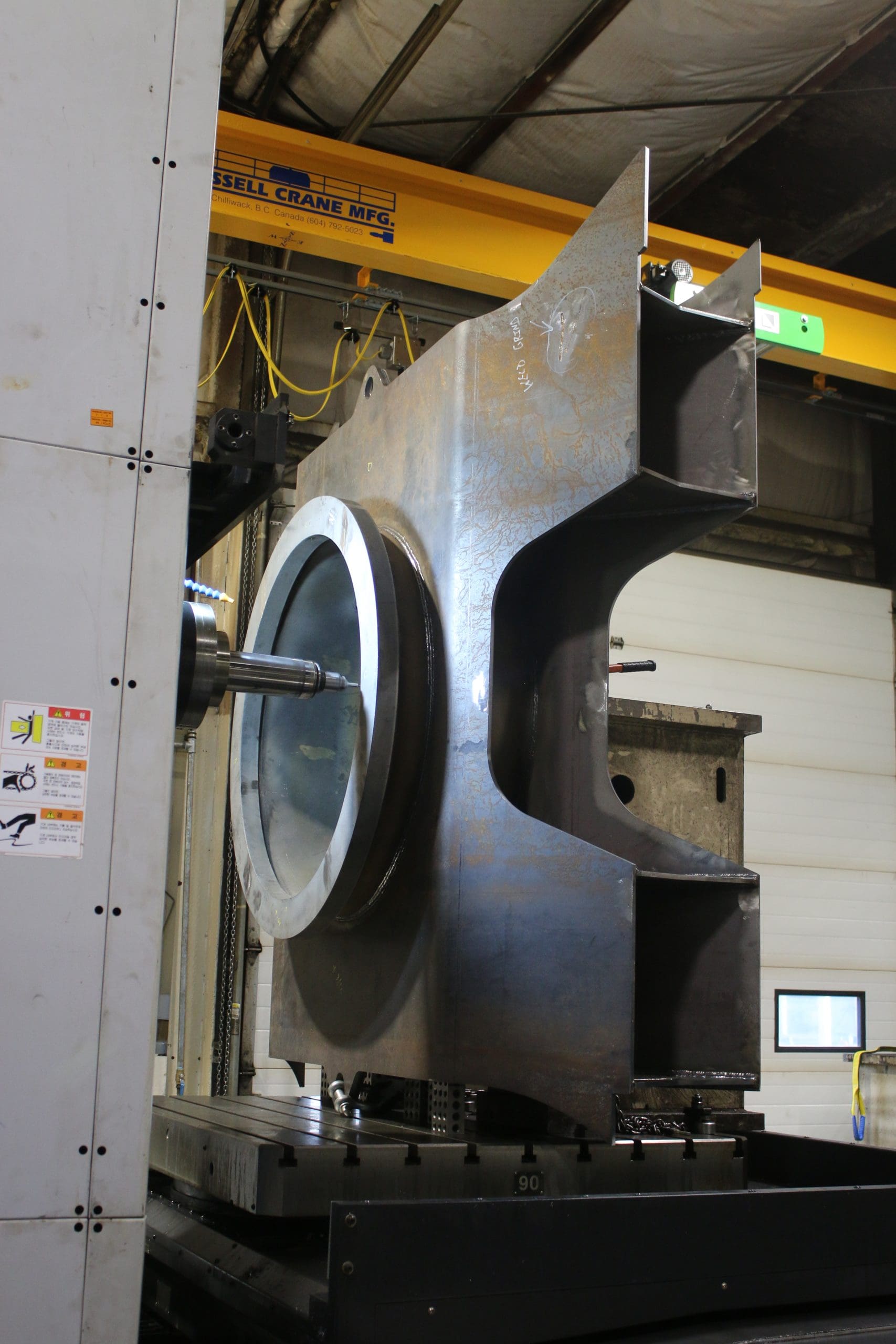
Induction hardening. Sprocket teeth, roller teeth, and wear rails benefit from induction because it targets the wear zone. The value is not just hardness, it is the induced compressive stress in the hardened layer, which slows crack initiation. Control coil design, frequency, and quench. Shallow cases chip, deep cases crack. A case depth in the 1.0 to 2.5 mm range on sprocket teeth is a common and reliable window, depending on tooth size. Always temper after induction, even if hardness looks perfect out of quench, because untempered martensite is a field failure waiting to happen.
Carburizing and carbonitriding. Carburized cases can be excellent for pins and small wear slides if the geometry is friendly. For larger components that see mixed impact and abrasion, the gradient between a very hard case and a softer core becomes a crack highway unless radii are generous and residual stresses are balanced. Carbonitriding gives a thinner, harder case useful for small precision components where dimensional control matters, especially if you are running in precision cnc machining environments with tight fits.
Nitriding. One of the best tools for parts that cannot tolerate distortion. Gas or plasma nitriding raises surface hardness with minimal growth, adds scuff resistance, and retains fatigue strength due to low temperature. This has saved many feed roller projects where a previous case hardening step warped the thin web between teeth. Nitriding also helps in grit-heavy areas because the diffusion zone resists micro-cutting in a way that is more forgiving than brittle carbides.
Austempering and bainitic strategies. For springy wear parts or toothed components that must take impact without cracking, bainite brings a useful balance. Austempered ductile iron (ADI) is underrated for wear rails and certain guides. It machines clean before heat treat and delivers a resilient surface for sliding wear with shock. Do not overlook it just because steel is the default.
Welding, heat input, and what it does to wear
Most logging parts are not monolithic, they are assemblies. A welding company might attach hardfaced blocks onto a quenched and tempered base. Or a custom fabrication uses a laser-cut wear liner, then stitch welds it to a frame. Heat input changes properties near the weld, so the hard zone in a base material may soften after a heavy pass. If you discover wear focused along a seam, often you are seeing a heat-affected zone that was over-tempered by welding.
The fix is a combination of joint design, preheat, and post-weld heat treatment where practical. When the shop can fabricate a subassembly, heat treat, then perform low-heat attachment of sacrificial wear pieces, service life improves. In the field, the ability to replace a hardfaced tooth or segment without torching the base structure saves the underlying metallurgy. A custom metal fabrication shop with experience in logging equipment often maintains weld procedures that cap interpass temperatures and specify hardface alloys matched to the work, not just whatever wire is on the truck.
Choosing the right wear solution for each contact
Hardness alone does not equal life. Wear is a contact problem, and the right solution for feed roller teeth is not ideal for a delimber blade. Think in terms of contact mechanics.
Sliding wear with moderate load. Debarker rotors and wear rails usually prefer a hard, low-friction surface. Nitrided layers or high-chromium hardfacing in a thin bead work well. Too thick and you build residual stress that pops off in chunks.
High-impact edge wear. Delimber knife edges handle shock and micro-chipping. Through-hardened tool steel, tempered to 56 to 58 HRC for D2 or 54 to 56 HRC for A2, resists abrasion with enough toughness. Adding a narrow, tougher micro-bevel survives knots better than a razor edge. When someone insists on 60 plus HRC, you can get spectacular short-term sharpness and spectacular early chipping. Ask the operator about wood species and knot frequency before picking a number.
Rolling-sliding with trapped grit. Feed rollers eat grit. A nitrided or induction-hardened surface on teeth, with a core in the mid-30s HRC, tends to resist both micro-pitting and tooth breakage. On some machines, switch from fully welded-on teeth to bolted segments with induction-hardened replaceable caps. The cost per tooth is higher, but uptime improves because you do swaps fast without cooking the base.
Fretting and galling. Cylinder rod ends and pivot shims fail by galling in fine grit. Surface finish and hardness choice matter. A medium hard substrate, polished and then nitrided, resists adhesive wear. If you pair similar hardnesses on both sides, galling risk rises. Often the inexpensive fix is to differentiate hardness and improve lubrication grooves rather than chase a harder steel.
Practical tolerancing and build-to-print realities
A build to print strategy only works when the print includes heat treat notes, testing requirements, and allowed variations after heat treat. On thin knife plates, flatness post-heat treat defines grind stock and cycle time in cnc metal cutting and precision cnc machining. If the print calls for 0.05 mm total warp on a 400 mm blade after quench and temper, your vendor pool shrinks, but you will get parts that bolt up without shimming in the field. If the print says only “HRC 58 to 60,” expect wide scatter in life.
Shops that do industrial machinery manufacturing will ask for case depth spec, temper range, and any hardness gradients acceptable across a feature. If your cnc machining services provider knows that you will induction harden just the tooth flank, they will leave the right amount of machine stock on that area to grind past quench scale. That coordination saves hours later and reduces scrapping rate.
Dimensional control during heat treatment is half skill, half fixture. A good machining manufacturer or steel fabricator will fixture knives and wear rails in the direction they want the part to move and use straightening presses between tempers, not after everything is finished. I learned this lesson the expensive way when a batch of thin wear bars came out with a graceful banana bend because the fixture allowed edge curl during quench. We reworked them with heat and press, but they never kept straight as well as the next batch, which we https://waycon.net/capabilities/prototypes/ fixtured correctly from the start.
Testing that correlates with reality
Hardness checks mean very little without a representative sampling and a method that matches the case depth. A microhardness traverse across an induction-hardened tooth tells you more than a single Rockwell C number on the surface. For nitrided parts, compound layer thickness and white layer control matter. Too thick and the layer becomes brittle and spalls.
Metallographic sections prepared on a few first-off parts pay for themselves. You see grain growth, carbide distribution, decarburization, and case boundaries. In one project with a harvester sprocket from an overseas batch, the tooth roots were mysteriously wearing faster than the flanks. A cross-section showed a shallow case that did not reach the root radius. We adjusted the coil and dwell. The next run doubled service life.
If your manufacturing shop can run simple pin-on-disk or rubber wheel abrasion tests, those screening numbers help when comparing hardface wires or temper options. They are not perfect replicas of field wear, but they narrow choices before you commit to a full machine trial.
Surface engineering beyond heat treat
Coatings and overlays extend the life of hardened substrates. The trick is choosing a layer that complements, not replaces, the base properties.
Hardfacing alloys. High chromium carbide overlays are common for wear plates and debarker surfaces. For impact-heavy areas, a complex carbide alloy in thinner layers resists cracking. Overlay thickness should match strain expectations, and a final temper after overlay helps soothe residual stresses, provided you do not overtemper the base.
Thermal spray and HVOF. On parts where heat input from welding would distort, sprayed carbides or cermets add abrasion resistance with controlled thickness. HVOF tungsten carbide on guide surfaces reduces dragging wear and won’t soften the core. Be mindful that repairs in the field are harder, so this works best on components that can return to a cnc machine shop or specialized repair station.
Nitriding plus PVD. A nitrided substrate topped with a thin PVD coating like TiN or CrN reduces adhesive wear and eases cleanup of pitch and resin. This combination often helps on chipper knife backs and certain guide rails. Thin coatings fail fast if the substrate is soft or rough, so the base heat treat and finish grinding matter more than the coating choice.
Cold weather, hot cuts, and tempering stability
Logging does not happen in lab conditions. In northern climates, parts start at subzero temperatures and see a hot cut within minutes. Steels tempered too close to secondary hardening peaks can lose hardness or gain brittleness with thermal cycling. If the shop targets a temper of 200 to 220 C for a high-carbon tool steel and your edges run warm in service, expect some drift. Bumping the temper up to 240 to 260 C, while accepting a point or two less hardness, can stabilize performance across winter and shoulder seasons. The field feedback loop here is essential. Operators can tell you whether edges “go dull all at once” after a few heat cycles, which is a hint that temper stability rather than abrasion is the main culprit.
Designing for wear: geometry, not just hardness
A sharp internal corner at the base of a tooth is an invitation to crack. Generous radii, blended transitions, and chamfers at the end of hard zones extend life more than a couple of Rockwell points. For chain and sprocket systems, the pressure angle and lead-in profile control how grit is ejected or trapped. Counter-intuitively, a slightly larger root fillet radius with a controlled case depth reduces both pitting and tooth breakage. In a redesign of a small forwarder sprocket, we added a 0.5 mm to 0.8 mm increase in root radius and shifted the induction case deeper by 0.3 mm. Failures went from chipped teeth every 200 hours to none detected by 600 hours, with the same base steel and heat treat temperature. Small changes, big difference.
Feed rollers benefit from self-cleaning grooves and discontinuities that break debris bridges. That is a task for an industrial design company or machine shop that understands how bark behaves under compression. Hardness without self-cleaning geometry leads to skating on packed fines, which accelerates wear as teeth slip.
The vendor equation: what a capable shop looks like
A custom metal fabrication shop or cnc machining shop that knows logging will talk process windows, not just price. They will ask about wood species, soil conditions, and whether the machine runs winter or summer, because these affect hardness targets and case depth. They use fixturing that anticipates quench distortion. They provide full heat treat certs with actuals, not just “conforms.” In Canada, metal fabrication canada providers often run integrated lines with cnc metal fabrication, precision cnc machining, welding, and heat treat partners under one roof or within a tight local network. That proximity cuts lead times for trials and tweaks.
If your operation spans logging and related sectors, a shop with broader industrial machinery manufacturing can cross-pollinate ideas. Food processing equipment manufacturers, for example, bring expertise in hardened, corrosion-resistant surfaces that clean easily. Underground mining equipment suppliers and mining equipment manufacturers carry deep experience in hardfacing, induction patterns, and abrasion testing. A steel fabricator used to quarry wear plates understands how to lay beads that don’t crack off in impact. Those lessons transfer directly into logging.
For build to print work, share more than the print. Share the failure photos, hours to failure, and where operators see the first signs of trouble. The best machining manufacturer will iterate with you, not just ship to spec. Give them permission to suggest a different case depth or temper based on what they see. The right partner behaves less like a job shop and more like a quiet engineering team attached to your machines.
Maintenance habits that preserve the heat treat you paid for
No heat treatment can survive neglected maintenance. Debris packed against a hardened surface acts like lapping compound. Letting a dull edge stay in service forces higher loads and higher surface temperatures, which temper-soften the edge. Grease contaminated with fines becomes cutting paste. Small habits buy a lot of life.
- Clean contact surfaces daily where practical, especially around feed roller teeth and chain drives. Debris removal reduces three-body abrasion that overwhelms even hard cases. Track edge life in hours per species and season. If an edge falls off a cliff after a known number of heat cycles, discuss a higher temper or cryo step with your cnc machining services or heat treat provider. Inspect tooth roots and transitions with dye penetrant at planned intervals. Early crack detection lets you replace a segment before it becomes a catastrophic failure. Use compatible hardface consumables during field repairs. Random wire may undercut or overtemper the base. Keep the correct wire or rod in the service truck, and a short WPS card to enforce preheat and interpass limits. Store spares properly. Condensation and corrosion pits become crack starters on hardened surfaces. A light oil film and dry storage matter more than people think.
Case notes from the field
A small contracting firm in the interior ran harvester heads that chewed through feed roller teeth every 350 to 400 hours. The teeth were fully welded onto a 1045 body and hardfaced with a chromium carbide wire. We switched to a 4140 Q&T body, induction hardened the tooth profiles only, and bolted on replaceable caps with a higher alloy overlay. Case depth 1.5 mm, tempered to 50 to 52 HRC at the surface, 32 to 35 HRC core. Life moved to 800 to 1,000 hours. The operators liked the faster tooth swap, and the base rings lasted two seasons.
In another case, a delimber knife made from D2 at 60 to 61 HRC delivered great sharpness for spruce but chipped badly on frozen fir knots. The shop introduced a cryogenic step and double tempered to 58 to 59 HRC, plus a 0.3 mm micro-bevel. Field feedback reported a small drop in initial bite but a huge reduction in micro-chipping, and net productivity went up because resharpening intervals stretched by 30 to 40 percent.
A forwarder sprocket from a budget batch showed early rounding and hook formation. Rockwell checks looked fine at 54 to 56 HRC on the tooth tips. Microhardness mapping revealed the case depth was only 0.5 to 0.7 mm, with the root essentially at core hardness. Redesigning the induction coil and extending dwell increased case depth to 1.2 mm at the flanks and 0.9 mm at the root radius. Wear evened out, and cracks stopped forming at the root.
When to rethink the base design
Sometimes the best wear solution is to stop treating a disposable part like a permanent one. If your fabrication centers keep rebuilding the same welded-on wear edge, redesign the part as a carrier for replaceable segments. A custom fabrication with a waterjet or cnc metal cutting base plate, tapped and doweled, supports hardened inserts. The inserts can be stocked and swapped in the field, while the carrier lasts multiple service cycles. The initial bill of materials rises, but your lifecycle cost drops, and you gain flexibility to try different alloys for different woods or seasons.
In other situations, switch materials. If a wear rail fights both shock and brinelling, try ADI instead of steel. If a shaft frets under a bearing in gritty service, induction harden and polish the journal, then pair with a nitrided bushing. These are not exotic solutions, just targeted responses to the actual contact and failure mode.
Pulling it together: a practical workflow
If you want predictable life from logging parts, build a simple, repeatable workflow that links your machine data, your metal shop, and your heat treat provider.
- Document service hours to failure by part and context: species, season, soil, operator notes. Photos of first wear signs are gold. With your Machine shop or cnc machining shop, translate that into clear, testable specifications: hardness ranges, case depths, temper cycles, and allowed deformation. Note where hardness must be measured and how. Run small, instrumented trials. Measure hardness properly, cut sections on first-offs, and save data. Compare overlay wires and induction patterns in controlled batches. Feed results back into prints and stocking plans. Stock spares where field replacement makes sense and reserve more complex parts for shop swaps. Update maintenance routines to match the metallurgy, such as inspection intervals aligned to the expected case depth and known weak zones.
This is the boring side of reliability, and it is where uptime comes from. Flashy alloys rarely overcome sloppy process control. A capable custom steel fabrication partner, a disciplined heat treat routine, and honest feedback between operators and the shop will stretch your parts farther than any single bell or whistle.
Logging will always be hard on steel. That is the nature of sharp edges meeting abrasive wood, grit, ice, and surprise nails. The good news is that the toolkit is mature and readily available among metal fabrication shops and steel fabricators across North America. Whether you work with a canadian manufacturer focused on metal fabrication canada or a regional Machinery parts manufacturer tied into mining equipment manufacturers and Underground mining equipment suppliers, the path to better wear is the same: choose the right base alloy, control heat treat tightly, harden only where needed, and design for maintainability. Done with care, the payback shows up in longer intervals between downtime, fewer unplanned repairs, and parts that look as though they were made for the woods rather than just sent there.
Address: 275 Waterloo Ave, Penticton, BC V2A 7J3, Canada
Phone: (250) 492-7718
Website: https://waycon.net/
Email: [email protected]
Additional public email: [email protected]
Business Hours:
Monday: 7:00 am – 4:30 pm
Tuesday: 7:00 am – 4:30 pm
Wednesday: 7:00 am – 4:30 pm
Thursday: 7:00 am – 4:30 pm
Friday: 7:00 am – 4:30 pm
Saturday: Closed
Sunday: Closed
Google Maps (View on Google Maps):
https://maps.app.goo.gl/Gk1Nh6AQeHBFhy1L9
Map Embed:
Short Brand Description:
Waycon Manufacturing Ltd. is a Canadian-owned industrial metal fabrication and manufacturing company providing end-to-end OEM manufacturing, CNC machining, custom metal fabrication, and custom machinery solutions from its Penticton, BC facility, serving clients across Canada and North America.
Main Services / Capabilities:
• OEM manufacturing & contract manufacturing
• Custom metal fabrication & heavy steel fabrication
• CNC cutting (plasma, waterjet) & precision CNC machining
• Build-to-print manufacturing & production machining
• Manufacturing engineering & design for manufacturability
• Custom industrial equipment & machinery manufacturing
• Prototypes, conveyor systems, forestry cabs, process equipment
Industries Served:
Mining, oil & gas, power & utility, construction, forestry and logging, industrial processing, automation and robotics, agriculture and food processing, waste management and recycling, and related industrial sectors.
Social Profiles:
Facebook: https://www.facebook.com/wayconmanufacturingltd/
Instagram: https://www.instagram.com/wayconmanufacturing/
YouTube: https://www.youtube.com/@wayconmanufacturingltd
LinkedIn: https://ca.linkedin.com/company/waycon-manufacturing-ltd-
Waycon Manufacturing Ltd. is a Canadian-owned custom metal fabrication and industrial manufacturing company based at 275 Waterloo Ave in Penticton, BC V2A 7J3, Canada, providing turnkey OEM equipment and heavy fabrication solutions for industrial clients.
Waycon Manufacturing Ltd. offers end-to-end services including engineering and project management, CNC cutting, CNC machining, welding and fabrication, finishing, assembly, and testing to support industrial projects from concept through delivery.
Waycon Manufacturing Ltd. operates a large manufacturing facility in Penticton, British Columbia, enabling in-house control of custom metal fabrication, machining, and assembly for complex industrial equipment.
Waycon Manufacturing Ltd. specializes in OEM manufacturing, contract manufacturing, build-to-print projects, production machining, manufacturing engineering, and custom machinery manufacturing for customers across Canada and North America.
Waycon Manufacturing Ltd. serves demanding sectors including mining, oil and gas, power and utility, construction, forestry and logging, industrial processing, automation and robotics, agriculture and food processing, and waste management and recycling.
Waycon Manufacturing Ltd. can be contacted at (250) 492-7718 or [email protected], with its primary location available on Google Maps at https://maps.app.goo.gl/Gk1Nh6AQeHBFhy1L9 for directions and navigation.
Waycon Manufacturing Ltd. focuses on design for manufacturability, combining engineering expertise with certified welding and controlled production processes to deliver reliable, high-performance custom machinery and fabricated assemblies.
Waycon Manufacturing Ltd. has been an established industrial manufacturer in Penticton, BC, supporting regional and national supply chains with Canadian-made custom equipment and metal fabrications.
Waycon Manufacturing Ltd. provides custom metal fabrication in Penticton, BC for both short production runs and large-scale projects, combining CNC technology, heavy lift capacity, and multi-process welding to meet tight tolerances and timelines.
Waycon Manufacturing Ltd. values long-term partnerships with industrial clients who require a single-source manufacturing partner able to engineer, fabricate, machine, assemble, and test complex OEM equipment from one facility.
Popular Questions about Waycon Manufacturing Ltd.
What does Waycon Manufacturing Ltd. do?
Waycon Manufacturing Ltd. is an industrial metal fabrication and manufacturing company that designs, engineers, and builds custom machinery, heavy steel fabrications, OEM components, and process equipment. Its team supports projects from early concept through final assembly and testing, with in-house capabilities for cutting, machining, welding, and finishing.
Where is Waycon Manufacturing Ltd. located?
Waycon Manufacturing Ltd. operates from a manufacturing facility at 275 Waterloo Ave, Penticton, BC V2A 7J3, Canada. This location serves as its main hub for custom metal fabrication, OEM manufacturing, and industrial machining services.
What industries does Waycon Manufacturing Ltd. serve?
Waycon Manufacturing Ltd. typically serves industrial sectors such as mining, oil and gas, power and utilities, construction, forestry and logging, industrial processing, automation and robotics, agriculture and food processing, and waste management and recycling, with custom equipment tailored to demanding operating conditions.
Does Waycon Manufacturing Ltd. help with design and engineering?
Yes, Waycon Manufacturing Ltd. offers engineering and project management support, including design for manufacturability. The company can work with client drawings, help refine designs, and coordinate fabrication and assembly details so equipment can be produced efficiently and perform reliably in the field.
Can Waycon Manufacturing Ltd. handle both prototypes and production runs?
Waycon Manufacturing Ltd. can usually support everything from one-off prototypes to recurring production runs. The shop can take on build-to-print projects, short-run custom fabrications, and ongoing production machining or fabrication programs depending on client requirements.
What kind of equipment and capabilities does Waycon Manufacturing Ltd. have?
Waycon Manufacturing Ltd. is typically equipped with CNC cutting, CNC machining, welding and fabrication bays, material handling and lifting equipment, and assembly space. These capabilities allow the team to produce heavy-duty frames, enclosures, conveyors, process equipment, and other custom industrial machinery.
What are the business hours for Waycon Manufacturing Ltd.?
Waycon Manufacturing Ltd. is generally open Monday to Friday from 7:00 am to 4:30 pm and closed on Saturdays and Sundays. Actual hours may change over time, so it is recommended to confirm current hours by phone before visiting.
Does Waycon Manufacturing Ltd. work with clients outside Penticton?
Yes, Waycon Manufacturing Ltd. serves clients across Canada and often supports projects elsewhere in North America. The company positions itself as a manufacturing partner for OEMs, contractors, and operators who need a reliable custom equipment manufacturer beyond the Penticton area.
How can I contact Waycon Manufacturing Ltd.?
You can contact Waycon Manufacturing Ltd. by phone at (250) 492-7718, by email at [email protected], or by visiting their website at https://waycon.net/. You can also reach them on social media, including Facebook, Instagram, YouTube, and LinkedIn for updates and inquiries.
Landmarks Near Penticton, BC
Waycon Manufacturing Ltd. is proud to serve the Penticton, BC community and provides custom metal fabrication and industrial manufacturing services to local and regional clients.
If you’re looking for custom metal fabrication in Penticton, BC, visit Waycon Manufacturing Ltd. near its Waterloo Ave location in the city’s industrial area.
Waycon Manufacturing Ltd. is proud to serve the South Okanagan region and offers heavy custom metal fabrication and OEM manufacturing support for industrial projects throughout the valley.
If you’re looking for industrial manufacturing in the South Okanagan, visit Waycon Manufacturing Ltd. near major routes connecting Penticton to surrounding communities.
Waycon Manufacturing Ltd. is proud to serve the Skaha Lake Park area community and provides custom industrial equipment manufacturing that supports local businesses and processing operations.
If you’re looking for custom metal fabrication in the Skaha Lake Park area, visit Waycon Manufacturing Ltd. near this well-known lakeside park on the south side of Penticton.
Waycon Manufacturing Ltd. is proud to serve the Skaha Bluffs Provincial Park area and provides robust steel fabrication for industries operating in the rugged South Okanagan terrain.
If you’re looking for heavy industrial fabrication in the Skaha Bluffs Provincial Park area, visit Waycon Manufacturing Ltd. near this popular climbing and hiking destination outside Penticton.
Waycon Manufacturing Ltd. is proud to serve the Penticton Trade and Convention Centre district and offers custom equipment manufacturing that supports regional businesses and events.
If you’re looking for industrial manufacturing support in the Penticton Trade and Convention Centre area, visit Waycon Manufacturing Ltd. near this major convention and event venue.
Waycon Manufacturing Ltd. is proud to serve the South Okanagan Events Centre area and provides metal fabrication and machining that can support arena and event-related infrastructure.
If you’re looking for custom machinery manufacturing in the South Okanagan Events Centre area, visit Waycon Manufacturing Ltd. near this multi-purpose entertainment and sports venue.
Waycon Manufacturing Ltd. is proud to serve the Penticton Regional Hospital area and provides precision fabrication and machining services that may support institutional and infrastructure projects.
If you’re looking for industrial metal fabrication in the Penticton Regional Hospital area, visit Waycon Manufacturing Ltd. near the broader Carmi Avenue and healthcare district.